
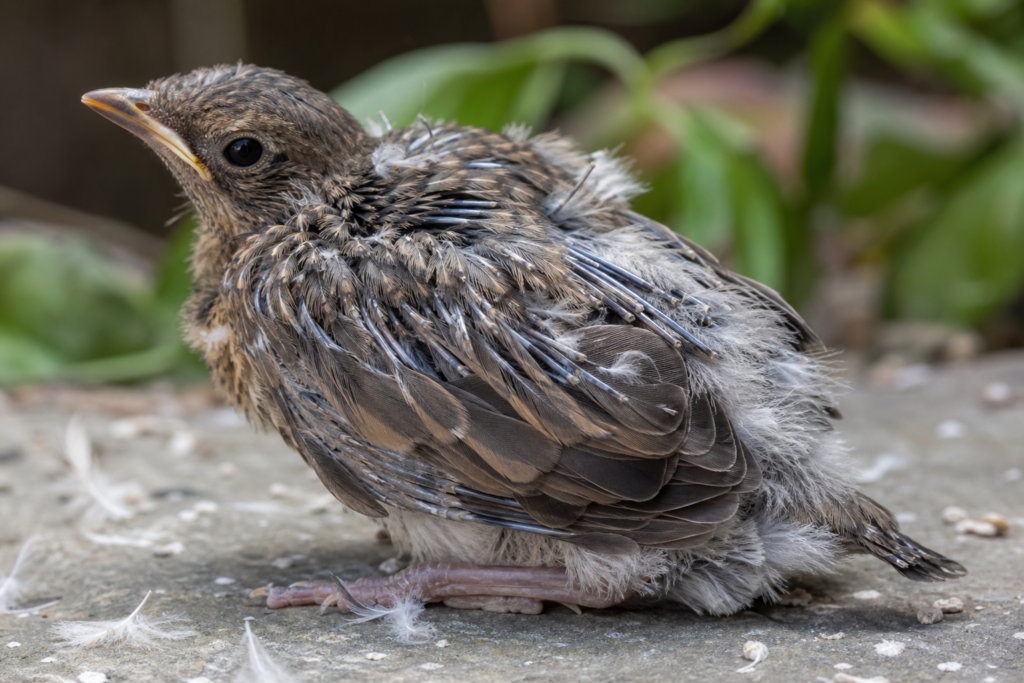
Quick answer: Molting is the normal process of shedding and replacing feathers. Pet birds may seem itchier, quieter, or pickier during a molt. Support them with high-quality nutrition, humidity, gentle handling, and enrichment — and call an avian vet if feather loss is patchy, bloody, or paired with lethargy.
Why birds molt
Feathers wear out. Species and age affect timing; many companion birds show seasonal or stress-linked molts. Pin feathers (blood feathers) are sensitive — do not cut or rip them.
What to feed during a molt
- Complete pellets as the diet base (species-appropriate)
- Dark leafy greens and vitamin A–rich veggies
- Adequate protein; avoid sudden junk-food increases
- Fresh water always
Care tips
- Offer misting or baths if your bird enjoys them.
- Keep sleep consistent (10–12 hours for many companion birds).
- Provide gentle foraging toys — see toy types.
When to worry
Seek veterinary care for bald patches, broken blood feathers that keep bleeding, flaky skin disease signs, or behavior collapse. Birdsmania content is educational, not a diagnosis.
FAQ
How long does molting last?
Often weeks; heavy molts can feel longer. Timing varies by species.
Is molting painful?
Pin feathers can be tender. Minimize rough petting over new feather tracts.
Should I give molt supplements?
Only if recommended by an avian vet; fix diet first.
