
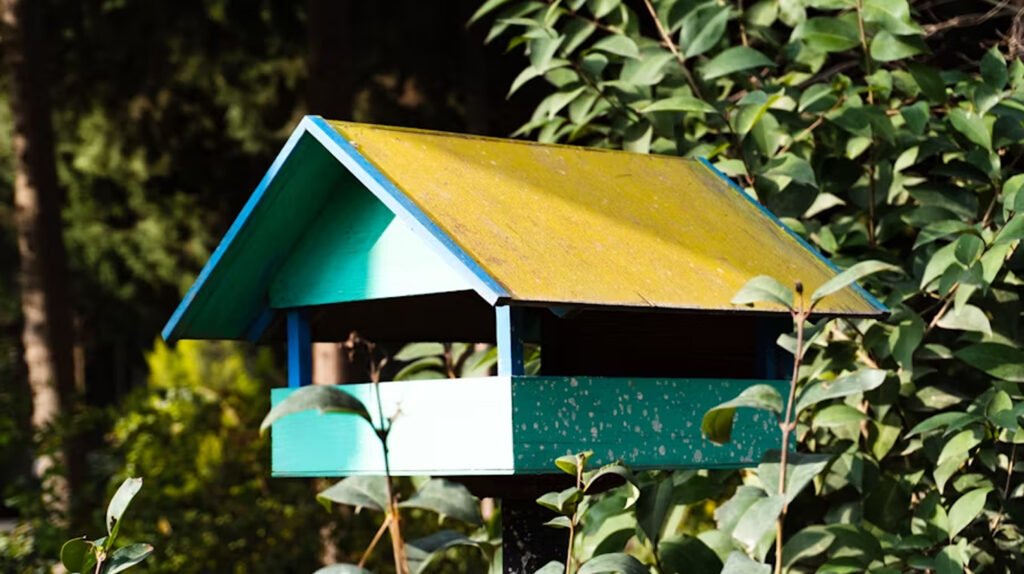
“What’s one unconventional material you’ve used to create bird habitat in your sanctuary? How did you incorporate it, and what was the outcome?”
Repurposed wooden pallets were used to create sheltered nesting zones along the perimeter of the sanctuary. Instead of discarding the pallets, they were disassembled and reconstructed into tiered platforms, then filled with native brush and straw to mimic natural cover. The outcome was immediate. Small songbirds adopted the structures within weeks, and the layered design provided both nesting and feeding opportunities. Beyond expanding habitat, the approach demonstrated how low-cost, reclaimed materials could be reshaped into functional conservation tools, reinforcing sustainability while supporting biodiversity.
Wayne Lowry, Founder, Best DPC
Reclaimed medical shipping crates turned out to be an unexpected but effective material for creating bird habitats. These crates, originally used to transport large equipment, offered durability and weather resistance that traditional wooden boxes lacked. We repurposed them by cutting entry points, sanding rough edges, and lining the interiors with untreated natural fibers to mimic safe nesting spaces.
The outcome was immediate and encouraging. Several local bird species adopted the structures within weeks, and the insulated design helped protect fledglings from temperature swings. The project not only supported biodiversity but also highlighted how medical industry byproducts could find a second life in conservation efforts, reducing waste while strengthening our sanctuary’s ecological value.
Ydette Florendo, Marketing coordinator, A-S Medical Solutions
Instead of discarding old shipping pallets, I arranged them in layered stacks along the edge of the sanctuary. I partially filled the gaps with soil, leaf litter, and native climbing plants, essentially turning them into living walls. I also left some cavities open to serve as nesting nooks and shelter.
The outcome:
Habitat diversity: Small insect-eating birds quickly began using the crevices for perching and foraging.
Food source boost: As the pallets aged, they attracted insects and fungi, enriching the food chain.
Low-cost success: What could have been waste became a durable, natural-looking structure that blended into the environment and required almost no maintenance.
It showed me that unconventional, even industrial, materials can be repurposed into rich microhabitats if they’re integrated thoughtfully with native plants and natural cover.
Marc Bromhall, Founder, Cape Trek
One unconventional material I used in creating bird habitat was old wine barrels. At first, they were just sitting around from a local vineyard that was discarding them, and I thought they might make interesting planters. But after a little experimenting, I realized the curved staves and hollowed interiors could be repurposed into nesting shelters. I cut some barrels in half lengthwise and mounted them horizontally on posts, leaving small openings. Others I filled with natural fibers like straw and pine needles to encourage nesting.
The outcome was better than I expected. Wrens and chickadees were among the first to move in, using the cavities much like they would a tree hollow. The wood held up well outdoors, blending into the landscape without looking artificial, and the curved shape provided natural protection from wind and rain. What I loved most was that it gave new life to a discarded material, while also diversifying the types of shelters available in the sanctuary. It reminded me that creating habitat doesn’t always mean buying specialized boxes or structures—sometimes, adapting unconventional items sparks creativity and offers the birds exactly what they need.
Sovic Chakrabarti, Director, Icy Tales
I tried using reclaimed bamboo as an unconventional material to create bird habitats in my sanctuary. I cut the bamboo into hollow sections and bundled them together to make nesting clusters and placed them among trees and shrubs. The natural hollow of the bamboo made cozy, protected spaces that mimicked the cavities birds seek in the wild. Within weeks I saw several species, including chickadees and wrens, move in almost immediately. The bamboo nests were durable and low maintenance compared to traditional wooden boxes. It not only gave the birds a safe space but also repurposed materials that would have gone to waste. It proved that creative, eco-friendly solutions can make a difference in wildlife conservation and keep the sanctuary sustainable.
Nikita Sherbina, Co-Founder & CEO, AIScreen
