
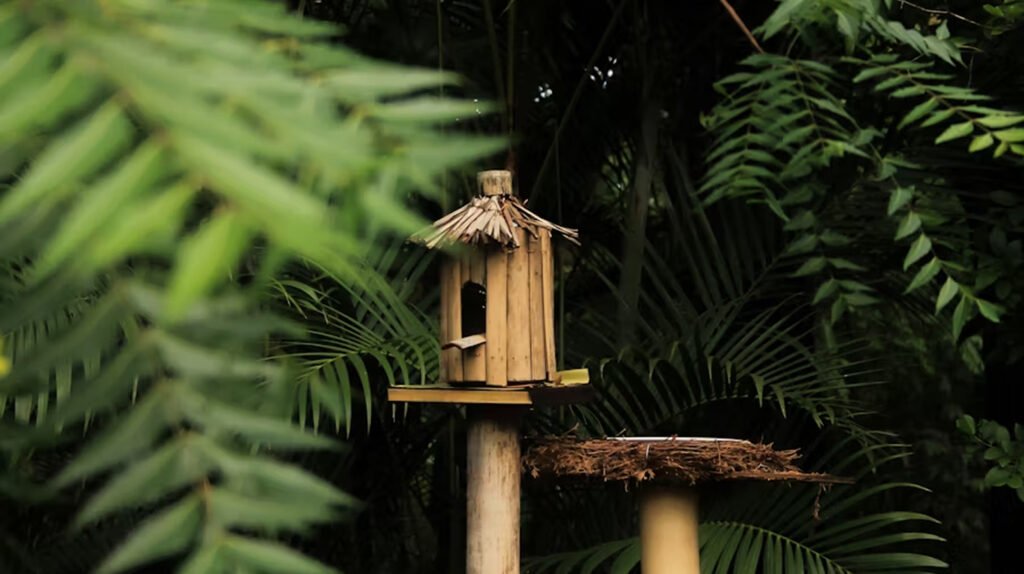
“How did you balance creating a bird-friendly environment with maintaining your garden’s aesthetics? What’s one tip you’d offer for harmonizing these aspects?”
Some research and careful planning ahead of time
I’d say my top tip for creating harmony between a bird-friendly yet still aesthetically pleasing space is just doing some research and careful planning ahead of time. It’s completely possible to find beautiful, bird-friendly plants to fill out your garden with, and I’ve had great success planning garden beds and yearly/seasonal planting around what will attract birds and create a good environment for them. If you’re worried about birds getting after some of your plants you’d rather they not, then having a designated bird-friendly or bird-attracting area can help keep them away from plants you’d rather keep for yourself.
Ryan Farley, CEO, LawnStarter
Incorporating native plants provided both visual appeal and natural habitats for birds
Incorporating native plants provided both visual appeal and natural habitats for birds. Strategically placed feeders and birdbaths blended seamlessly with the garden’s design while supporting local wildlife. Thoughtful plant selection ensured a balance of vibrant colors and functional spaces.
Regular maintenance kept the garden tidy without disrupting its bird-friendly features. Observing the harmony between aesthetics and nature reinforced the value of intentional planning. This approach highlighted the importance of aligning beauty with purpose in any project.
Focus on integrating functional elements, like feeders or water features, into the natural flow of the garden’s design. Choosing materials and placements that complement the existing aesthetic ensures cohesion. This approach maintains visual appeal while supporting a thriving bird-friendly environment.
Linda Chavez, Founder & CEO, Seniors Life Insurance Finder
The key is plant selection and placement
Balancing a bird friendly environment with maintaining a visually appealing garden is something I’ve worked on many times, both in my own space and for clients. One project that comes to mind was for a family who wanted to encourage native birds but didn’t want their garden looking wild or overgrown. Using my horticulture qualifications and over 15 years of hands on experience, I selected a mix of native flowering plants like grevilleas and bottlebrushes that attract nectar feeders while also offering a tidy, sculpted look. I integrated structured hedging and well placed rock features that offered both habitat and visual balance. We added a shallow birdbath surrounded by dwarf grasses which gave birds a safe drinking spot and became a subtle feature in the landscape. The end result was a garden that welcomed rosellas, wrens and even the occasional honeyeater, all without compromising on design.
The key is plant selection and placement. My advice is to layer your garden in a way that creates cover and food sources for birds without crowding the space. Start with low ground covers for foraging, then add mid-sized shrubs for shelter and finish with small native trees for perching and nesting. It’s about building an ecosystem that also looks intentional and clean. Years in the field taught me how to strike this balance. When you understand how birds behave and combine that with proper garden design knowledge, you can easily create something that feels alive but still looks neat and styled.
Andrew Osborne, Owner, Ozzie Mowing & Gardening
Integrate layered planting
Creating a bird-friendly garden without sacrificing aesthetics comes down to intentional design. I chose native plants that offer both visual appeal and natural food sources like berry-producing shrubs and flowering perennials. These attract birds while blending seamlessly with the overall landscape. My go-to tip: integrate layered planting. Combining trees, shrubs, and ground cover adds texture to your garden and mimics natural habitats, inviting birds without cluttering the space. It’s about working with nature, not against it.
Ross Darden, Owner, Darden Building Materials
Layer your plantings—use a mix of trees, shrubs and flowering perennials at different heights
I loved the challenge of balancing a bird-friendly environment with garden design. I started by using native plants that attract birds with seeds, berries and nectar and also fit into the overall design. Rather than placing feeders and birdbaths randomly I treated them as focal points—choosing natural looking materials like stone or wood that matched the style of the garden.
One tip I would suggest is to layer your plantings—use a mix of trees, shrubs and flowering perennials at different heights. This creates a lush structured look and shelter and foraging spots for different bird species. I found this layered approach added depth and texture to the garden and was visually pleasing and supported local wildlife. It’s all about designing with purpose—every plant or feature serves both an ecological and aesthetic role. That mindset really helped me get the two to work together.
Sovic Chakrabarti, Director, Icy Tales
To blend functional elements
Balancing a bird-friendly environment with my garden’s aesthetics was a rewarding challenge. I focused on incorporating native plants that attract local birds while also enhancing the visual appeal of the space. For example, I planted sunflowers and lavender—both attract birds and have vibrant, appealing colors. I also added a birdbath that doubles as a decorative focal point. The key was choosing plants and features that were not only beautiful but also practical for wildlife.
One tip I’d offer is to blend functional elements, like bird feeders and birdhouses, into your design rather than having them stand out as separate, utilitarian items. For instance, placing a birdhouse near a flowering shrub created a natural, harmonious look. This approach keeps the garden both visually pleasing and welcoming to birds.
Nikita Sherbina, Co-Founder & CEO, AIScreen
