
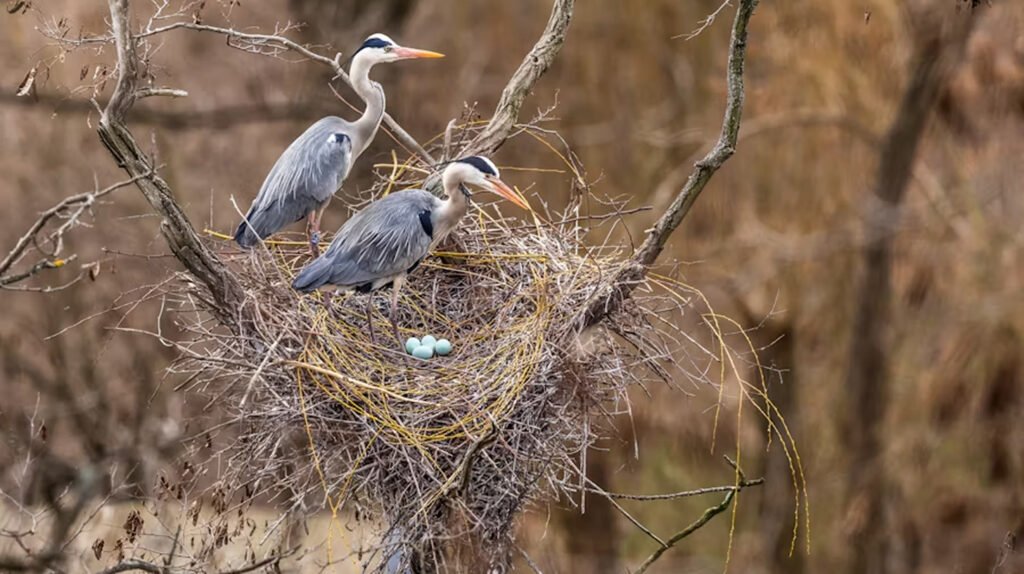
“Can you describe a unique nesting site you created in your sanctuary? How did birds respond to it, and what would you suggest to others?”
One of the more successful projects involved repurposing hollowed-out gourds as hanging nesting sites along the edges of open fields. The natural curvature provided insulation and protection from predators, while small entrance holes were drilled to suit species such as purple martins and wrens. Within the first season, several pairs occupied the gourds, and the following year, occupancy nearly doubled as the site became established in their breeding patterns. The birds responded positively because the gourds mimicked the cavities they instinctively seek while being elevated enough to limit ground threats. For others considering similar efforts, placement is key—keeping the nests near open foraging areas and ensuring proper ventilation makes them both attractive and durable. This approach demonstrates how simple, low-cost materials can create lasting impact in conservation spaces.
Rory Keel, Owner, Equipoise Coffee
One of the coolest nesting sites I created in my little bird sanctuary was a “living wall” made from an old piece of wooden lattice covered in climbing vines. Instead of putting up standard nest boxes in a row, I wanted something more natural that offered shelter and camouflage. I trained ivy and native flowering vines over the lattice, leaving small gaps and ledges where birds could tuck their nests. I also attached a few shallow wooden platforms behind the greenery for species that prefer open nesting spots rather than enclosed boxes.
The response from the birds was honestly more than I expected. House wrens were the first to check it out, slipping in and out of the leafy cover, and soon robins were building on one of the hidden shelves. Over time, even goldfinches and sparrows started using the vines as perches and roosting spots. It was like a mini ecosystem – bugs lived in the plants, which attracted insect eating birds, and the flowers drew in pollinators. Watching how quickly the birds took to the space reinforced for me that combining natural elements with human made support works.
If you want to try something similar, I’d suggest using native plants and making sure there’s enough structure behind the greenery for nests to rest on. Birds want safety, cover from predators and easy access. By offering a habitat that mimics what they’d find in the wild but with a little extra stability, you’ll almost always see a positive response.
Sovic Chakrabarti, Director, Icy Tales
The most successful nesting site I created was built not from lumber or prefab boxes, but from reclaimed stone arranged to mimic natural cliff ledges, something birds instinctively trust. While many assume timber boxes are the gold standard, I’ve found that using rugged stone creates a microclimate of cooler temperatures, better drainage, and natural camouflage. The result was immediate: swallows and finches colonized the site within a single season, outpacing traditional nesting boxes nearby that remained untouched. My suggestion to others is simple: study how birds choose in the wild and replicate those conditions with authentic materials rather than artificial solutions. Stones, especially reclaimed ones, don’t just provide structure; they create continuity with the environment, offering both safety and permanence.
Erwin Gutenkunst, President and Owner, Neolithic Materials
We constructed a series of elevated nesting boxes using reclaimed cedar wood, mounted on poles away from heavy foot traffic but close to tree lines for natural cover. The design included small entry holes sized for local songbirds, with ventilation slots to keep the interiors cool during South Texas summers. Within the first season, purple martins and wrens quickly claimed several boxes, and their return each year has confirmed the site’s success. The presence of these birds not only enriched the sanctuary’s soundscape but also naturally reduced insect populations, benefiting the wider garden areas. For others interested in creating nesting sites, I recommend researching the species native to their region and building boxes suited to those birds’ needs. Placement matters as much as design—choosing safe, sheltered locations increases the likelihood of long-term use and creates a reliable refuge for wildlife.
Ysabel Florendo, Marketing coordinator, Harlingen Church
We constructed a series of elevated nesting boxes using reclaimed cedar wood, mounted on poles away from heavy foot traffic but close to tree lines for natural cover. The design included small entry holes sized for local songbirds, with ventilation slots to keep the interiors cool during South Texas summers. Within the first season, purple martins and wrens quickly claimed several boxes, and their return each year has confirmed the site’s success. The presence of these birds not only enriched the sanctuary’s soundscape but also naturally reduced insect populations, benefiting the wider garden areas. For others interested in creating nesting sites, I recommend researching the species native to their region and building boxes suited to those birds’ needs. Placement matters as much as design—choosing safe, sheltered locations increases the likelihood of long-term use and creates a reliable refuge for wildlife.
Ysabel Florendo, Marketing coordinator, Harlingen Church
I built a small, elevated wooden box with a slanted roof and a narrow entrance, lining it with natural fibers and dried grasses I collected from the property. I positioned it near a cluster of native shrubs, giving the birds some immediate cover while keeping it visible for observation. Within a week, a pair of wrens began inspecting it daily, and by the third week, I noticed them carrying nesting material inside. The level of activity and repeated visits surprised me—I hadn’t expected such a quick adoption. For others, I’d suggest paying attention to natural cover and using materials that mimic what local birds naturally seek. Avoid placing boxes in open, exposed areas; a little shade and some shrubbery nearby make a huge difference. Observing quietly from a distance also helps the birds feel secure while settling in.
Nikita Sherbina, Co-Founder & CEO, AIScreen
This year I tried out one of the ideas I’ve seen around for a unique nesting site, which was putting up bundles of shed or brushed out dog hair in trees around my yard or near the designated bird houses I have set up. I wanted to see if birds would actually use the hair for nesting material, and I was not disappointed. While some of the nesting birds I observed did not seem very interested, I noticed some birds and even squirrels taking advantage of the shed fur for nesting. I think my top advice here would be to put the fur in places that are easily accessible to birds. They are not likely to grab it if you’re leaving it on the ground, so place it in trees or around areas you know nesting birds go in your yard.
Ryan Farley, CEO, LawnStarter
One of the more successful nesting sites was built using repurposed cedar fence posts hollowed out to mimic natural cavities. The posts were mounted at varying heights around open fields and near water sources, giving different species options suited to their preferences. Within the first season, bluebirds and wrens began using them, and occupancy rates stayed high year after year.
The untreated cedar held up well to weather while remaining safe for the birds. For others considering similar projects, placement is as important as design—sites should be located away from heavy foot traffic but close enough to food and water to make them practical. This balance between natural materials and thoughtful positioning encourages stronger nesting success.
Ydette Macaraeg, Marketing coordinator, Santa Cruz Properties
One distinctive nesting site we introduced was a cluster of hollowed-out gourds suspended at varying heights along a quiet stretch of trees. Unlike traditional wooden boxes, the gourds provided a more natural cavity environment while allowing airflow that kept the interior cooler in warmer months. Within a single season, purple martins and wrens began using them consistently, with multiple broods raised successfully. The lightweight design also made it easy to clean and reposition between nesting cycles.
For others considering similar efforts, the suggestion is to observe which native species frequent the area and design nesting options that mimic their preferred habitats. Placement matters as much as the structure itself. Providing shelter away from heavy foot traffic while keeping entrances oriented away from prevailing winds increases the chances of successful adoption. Simple, natural materials often work best and encourage healthier, more sustainable bird populations.
Belle Florendo, Marketing coordinator, RGV Direct Care
A nesting site built from repurposed cedar panels and positioned on the edge of a community garden proved especially successful. The design included staggered entry holes at different heights, which allowed multiple small bird species to use the same structure without competing directly. To reduce disturbance, the site was mounted on a pole with a predator guard and surrounded by native shrubs that provided cover and food.
Bird activity increased within weeks. Wrens and chickadees began nesting almost immediately, and their presence encouraged additional species to forage nearby. The layered approach of combining shelter with natural food sources created a sustainable microhabitat rather than just a nesting box. For others considering similar projects, placing nesting sites near established vegetation and protecting them from predators makes adoption far more likely than placing a single box in an open yard.
Wayne Lowry, Founder, Best DPC
One unique nesting site I introduced was a series of hollowed-out log sections mounted at varying heights along the sanctuary’s quieter trails. Unlike traditional bird boxes, these retained a natural look and texture, which blended seamlessly into the environment. The logs were cleaned, dried, and fitted with drainage holes to prevent moisture buildup, then secured firmly to prevent swaying in strong winds. Within the first breeding season, woodpeckers and small cavity-nesting songbirds quickly occupied them, showing a clear preference for the natural structure over standard plywood boxes. The key lesson for others is that birds often respond more readily to nesting sites that mimic their natural habitats. Using untreated wood and keeping placement diverse in height and location helps attract a broader range of species while maintaining ecological balance.
Maegan Damugo, Marketing coordinator, MacPherson’s Medical Supply
We constructed a series of nesting boxes using reclaimed wood and placed them along the quieter edges of our grounds near existing trees. The design included slightly varied entrance sizes to accommodate different species, which encouraged a range of birds to settle. Within a single season, the boxes were actively used, and children were able to observe fledglings growing in a safe environment.
For others considering similar projects, situating nesting sites where human activity is minimal makes a significant difference. Adding natural elements like brush piles nearby provides cover and feeding opportunities, which increases the likelihood of long-term use. The combination of thoughtful placement and simple, sustainable materials proved to be both effective and educational.
Belle Florendo, Marketing coordinator, Sunny Glen Children’s Home
We no longer use our postbox, so we moved it a little higher up on our house, and it’s served as a excellent nesting spot for a pair of starlings.
Marc Bromhall, Founder, Cape Trek
